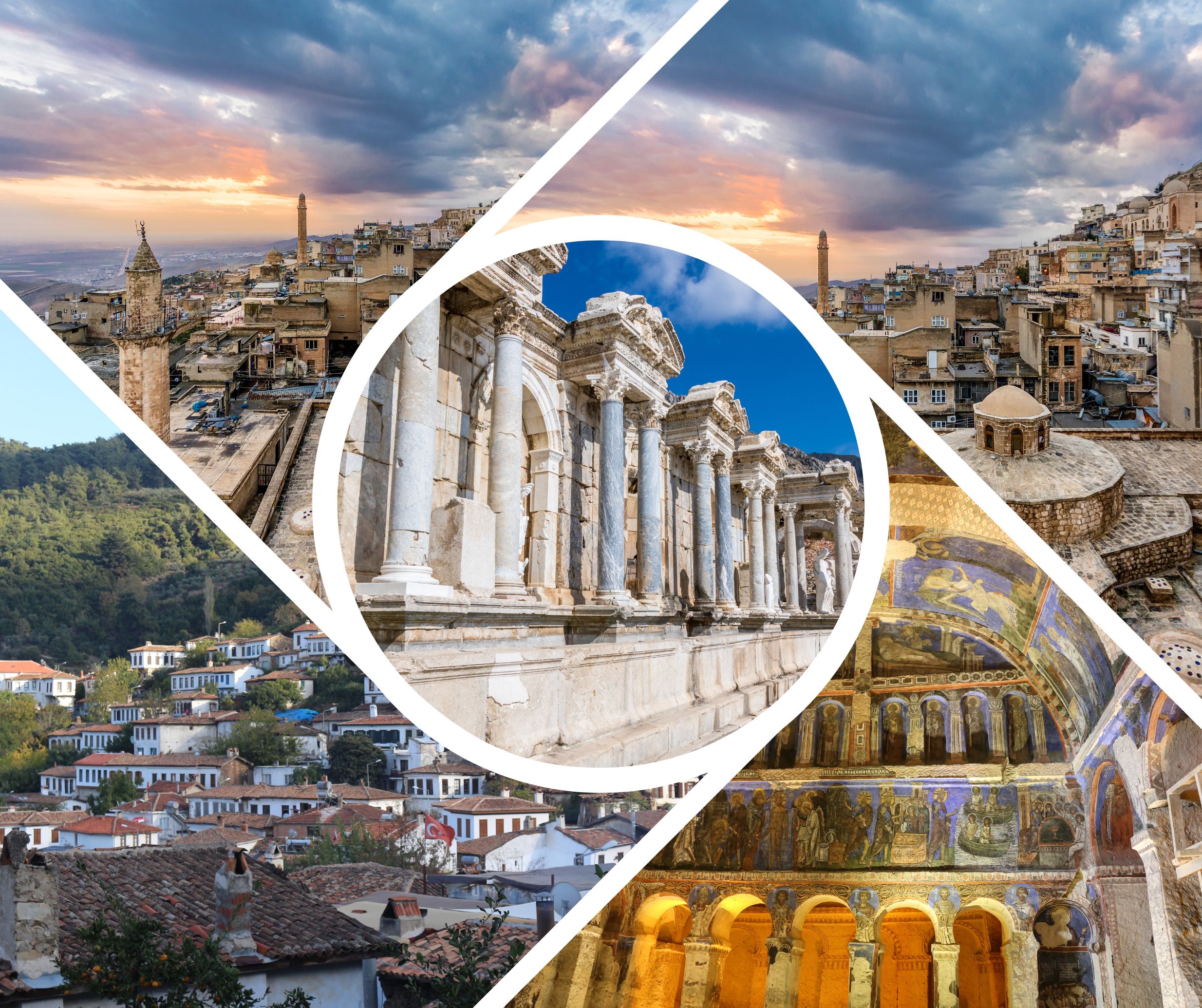
When travelers visit Turkiye in 2026, they find a lively meeting point between East and West, with Istanbul’s minarets, the Aegean Sea, and the Grand Bazaar. Beneath the surface, Turkiye has a sacred history. For those interested in faith, Anatolia is not only a destination; many call it the Second Holy Land. Jerusalem is where Christianity began, and Anatolia is where it spread.
In Antioch (now Antakya), followers of Jesus were first called “Christians.” St. Paul traveled across the Taurus mountains and Aegean plains, establishing the first Christian communities. The Seven Churches of Revelation, important Ecumenical Councils, and many stories from the early Church make Turkiye rich in spiritual history.
In 2026, visiting these sites is a journey for both the mind and the soul. With more people interested in religious tourism, it can be hard to find quiet moments among the crowds. That’s where Puerto Travel and our approach come in. We believe that places like Ephesus or the House of the Virgin Mary should not feel rushed or detached. Our guides do more than share facts; they help you bond deeply and discover the tales behind each place.
When you stand in an ancient theater where St. Paul once spoke or step into a cave church in Cappadocia where people prayed 1,500 years ago, you can focus on the history, not the details of travel. We make this possible with our straightforward promise. We take care of all the travel in our comfortable, air-conditioned Mercedes Vitos, so you have time to reflect on the history around you. In this guide, you’ll visit the most important Christian sites in Turkiye, from the Aegean coast to the heart of Anatolia, and finally to the grand city of Istanbul.
This is beyond a tour. It is a walk through the roots of the Western world. Whether you have deep faith or simply love history, Turkiye’s Christian heritage gives a unique perspective. Join us as we bring the stories of the early Church to life, starting in the ancient city of Ephesus.
Ephesus And The House Of The Virgin Mary
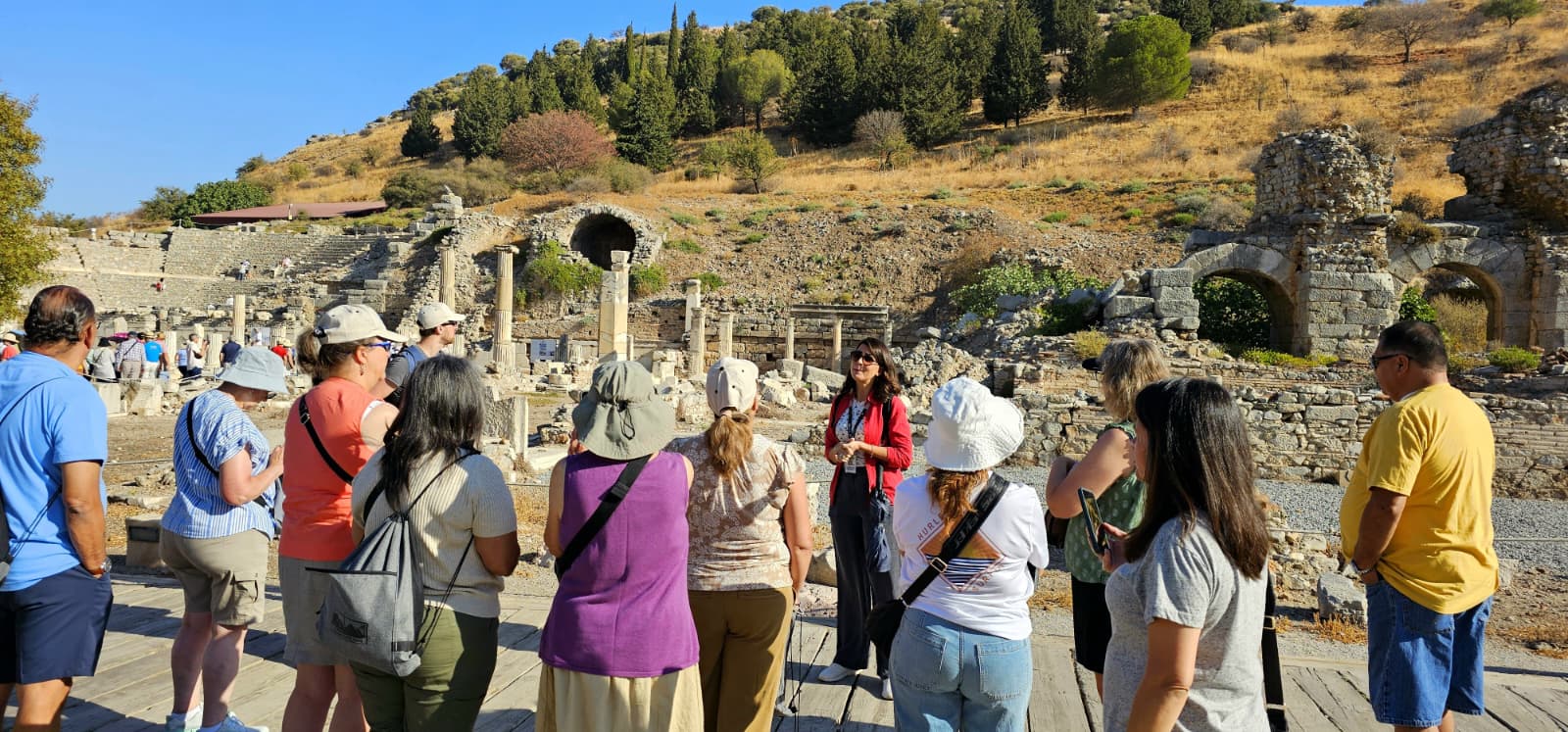
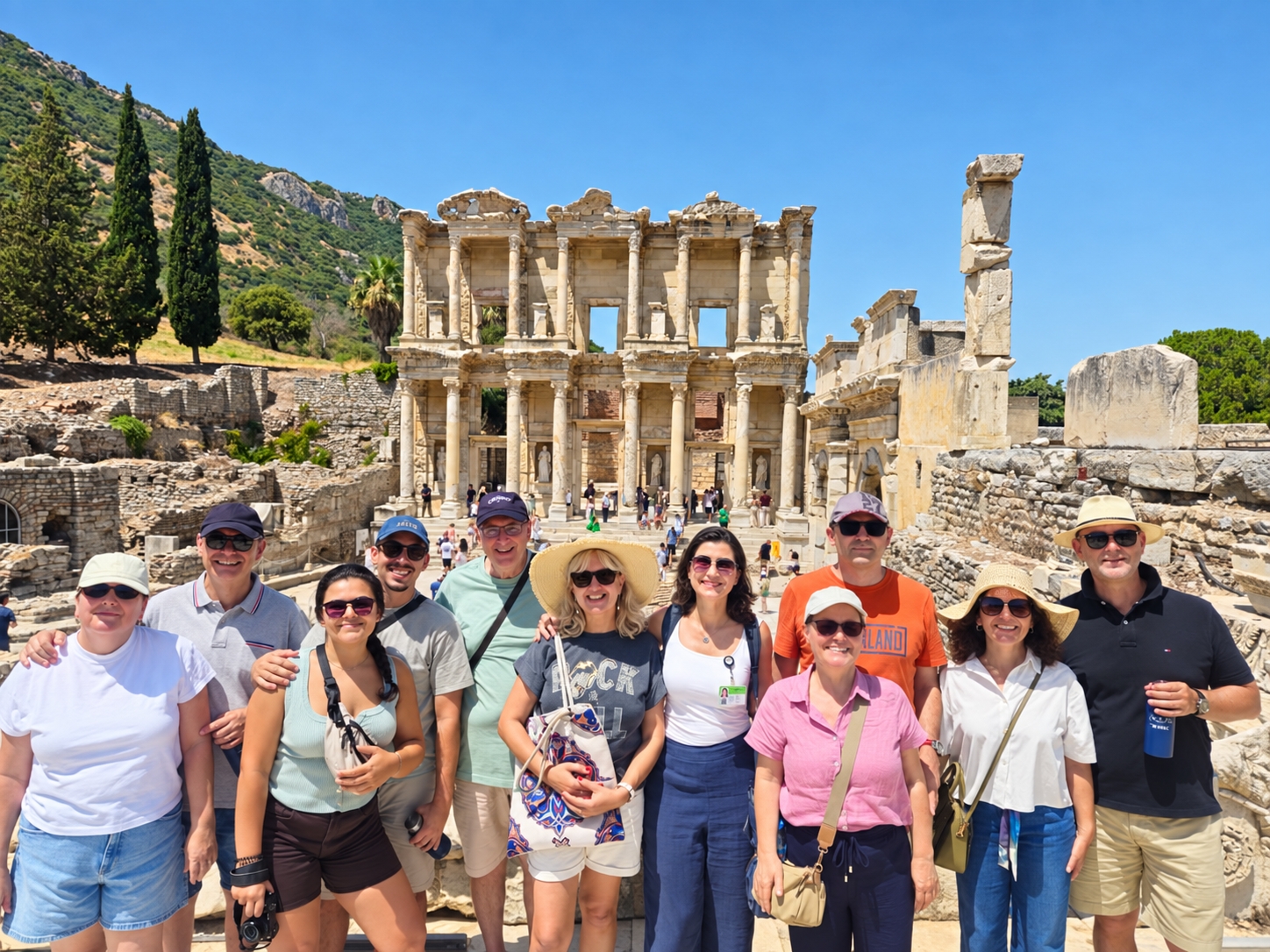
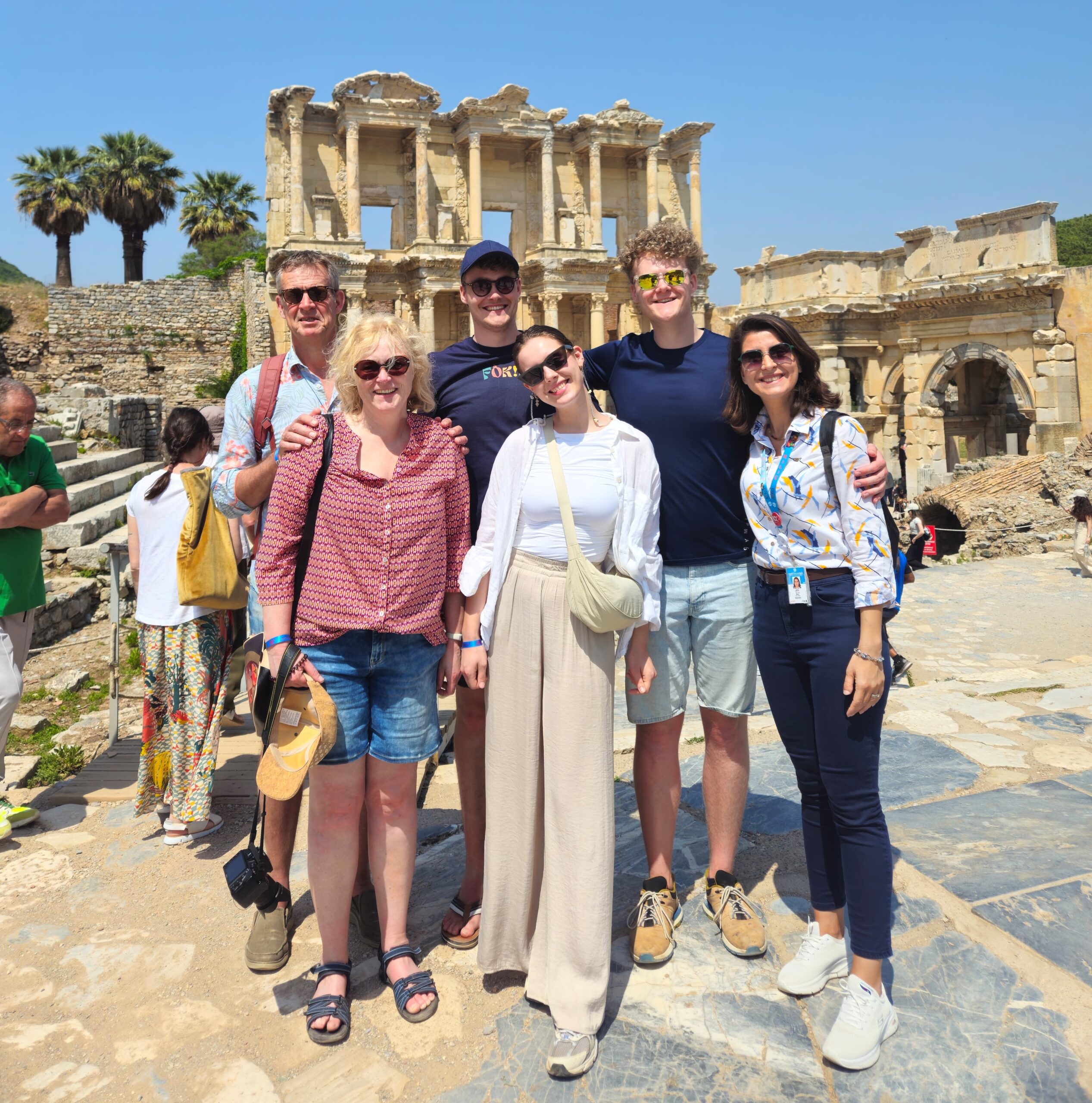
If Istanbul is the heart of Turkiye, then Ephesus is surely its soul—especially when it comes to the story of the early Church. In 2026, Ephesus remains one of the most visited archaeological sites in the world, but for the Christian pilgrim, it is much more than a collection of marble pillars and ancient theaters. It was here, in this bustling Roman capital, that the future of the faith was forged in the fire of debate, mission, and divine devotion. When you walk down the Curetes Way with one of our storyteller guides, you aren’t just seeing ruins; you are walking the same stones that St. Paul and St. John walked nearly two millennia ago.
The story of Ephesus is inseparable from the mission of St. Paul. He spent three years here, a record for his travels, teaching and preaching in the face of immense opposition. One of the most dramatic moments in the New Testament occurred right here in the Great Theater. Imagine the scene: 25,000 people shouting, “Great is Artemis of the Ephesians!” as the local silversmiths rioted against Paul’s message. Today, when you sit in that same theater, the silence is heavy with the echo of those ancient shouts. Our guides don’t just point to the stage; they help you feel the tension of that moment, explaining how the early Christians had to navigate a world where faith was a revolutionary act.
Just a short drive away, on the serene slopes of Mount Koressos, the atmosphere changes completely. Here lies the House of the Virgin Mary (Meryem Ana Evi). Discovered in the 19th century following the vivid visions of a German nun who had never even visited Turkiye, this humble stone house is believed by many to be the final residence of the Mother of Jesus. It is said that St. John, following the command given to him at the foot of the Cross, brought Mary here to live out her final days in peace and safety.
In 2026, the House of the Virgin Mary became a place of global pilgrimage for both Christians and Muslims (who also revere Mary). It is a “No-Nonsense” sanctuary of silence. Despite the thousands of visitors who pass through, there is a profound, unshakeable stillness here. At Puerto Travel, we make sure your visit here is as peaceful as the site itself. We avoid the rush of the large tour buses, arriving in our private Mercedes Vitos to ensure you have the time to light a candle, drink from the sacred springs, and leave a prayer on the “Wishing Wall.”
But the story doesn’t end at the house. Down in the valley stands the Basilica of St. John, built by Emperor Justinian over the spot believed to be the tomb of the Beloved Disciple. St. John is a central figure in the Ephesian narrative; it was here that he is said to have written his Gospel and cared for the burgeoning community of believers. Standing among the massive brick piers of the ruined basilica, looking out over the Temple of Artemis and the Isa Bey Mosque, you see the entire history of human faith layered in a single view.
Navigating Ephesus in 2026 requires a professional touch. The crowds can be intense, and the heat on the marble can be draining. This is where our Skip-the-Line access and our climate-controlled transitions become more than just a luxury—they are what allow you to remain present in the moment. Instead of worrying about where to buy water or how to find the exit, you are free to contemplate the letters Paul wrote to the Ephesians or the quiet life Mary led on these hills.
The Seven Churches Of Revelation And The Messages In The Stone
While Ephesus often takes the spotlight, it is actually just the first stop on a much wider spiritual map. In the Book of Revelation, the final book of the New Testament, St. John writes to the Seven Churches of Asia. In 2026, these are no longer just names in a dusty parchment; they are physical locations scattered across the beautiful, rolling landscapes of Western Anatolia. To visit them all is to take a deep dive into the heart of the early Church’s struggles and triumphs. From the seaside beauty of Smyrna (modern-day Izmir) to the dramatic acropolis of Pergamum, this route is a journey through the very letters that have shaped Christian thought for two thousand years.
At Puerto Travel, we treat this route as a masterpiece of history. Connecting these dots on your own can be a logistical nightmare—the sites are spread out, and many are tucked away in modern towns where parking and navigation are difficult. But when you are sitting in the back of a clean, air-conditioned Mercedes Vito, watching the Turkish countryside roll by, the journey becomes part of the meditation. Our guides act as the bridge between the biblical text and the physical ruins you see before you.
One of the most powerful stops on this route is Pergamum (Bergama). Known in the Bible as the place where “Satan’s throne” was located, it sits high atop a hill overlooking the valley. As you walk through the ruins of the Red Basilica or look down the steepest theater of the ancient world, our storyteller guides explain the context of St. John’s warnings. It wasn’t just about architecture; it was about the pressure the early Christians felt to conform to the imperial cults of the time. Standing there, you can almost feel the weight of the choice those early believers had to make.
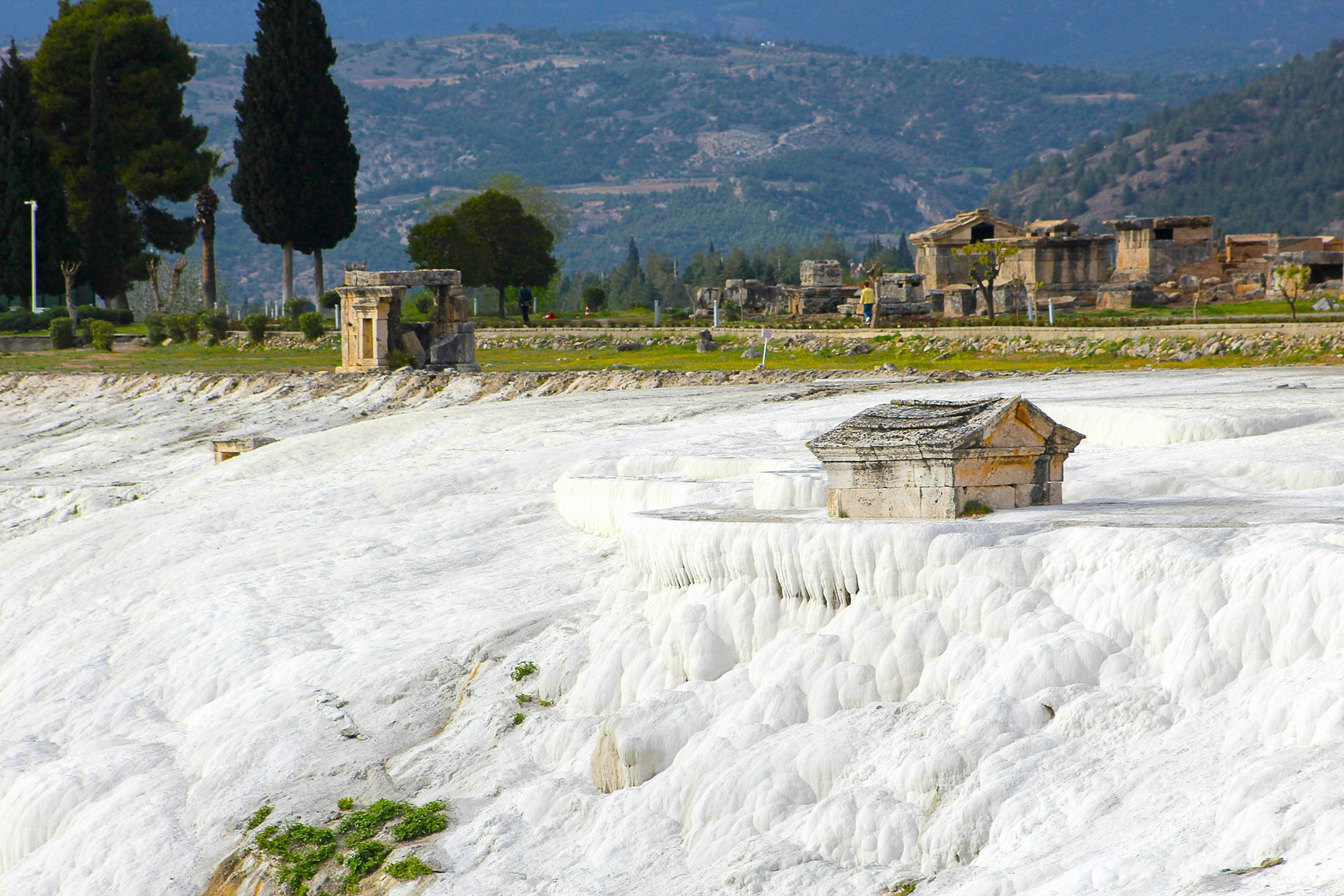
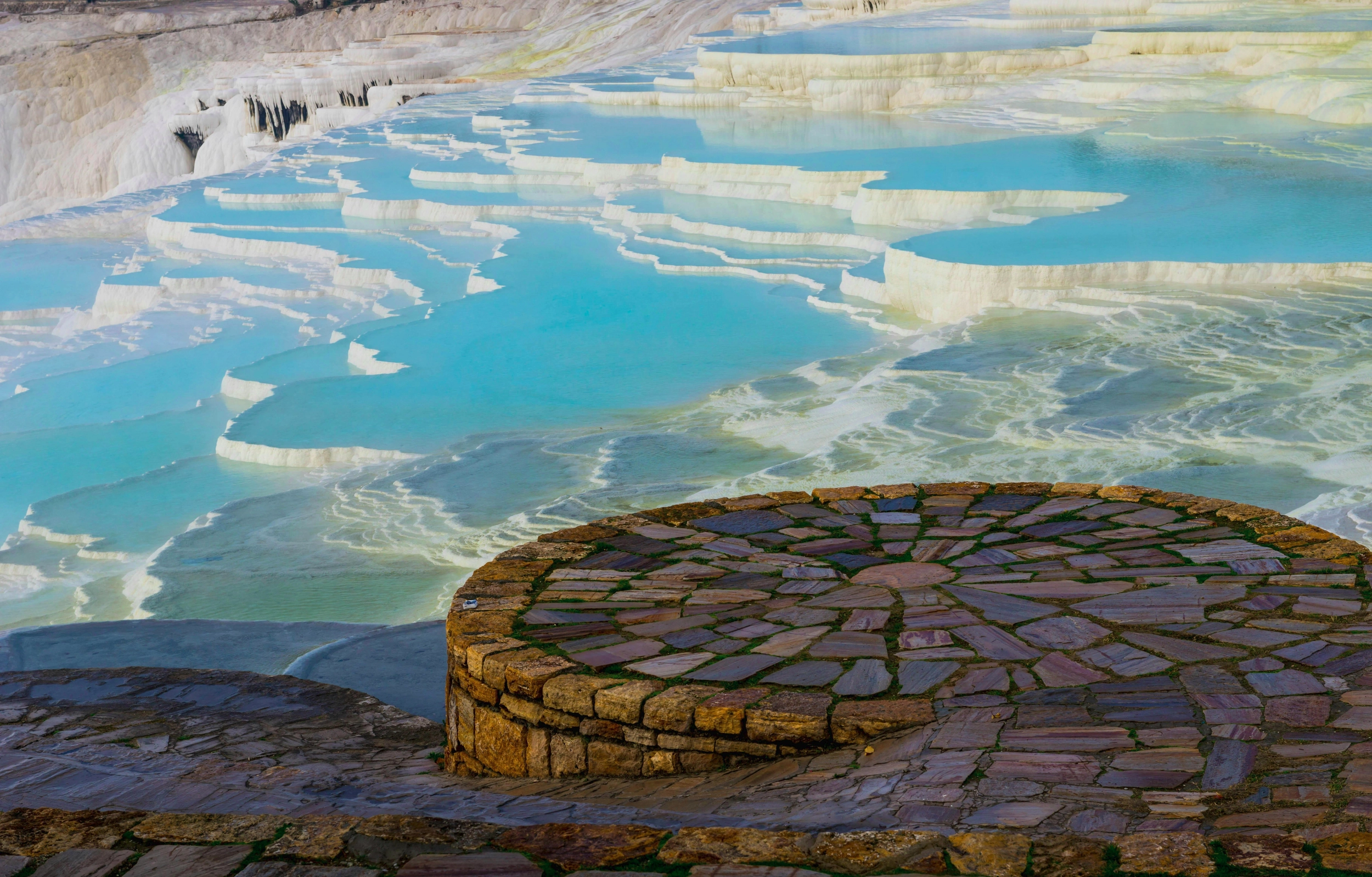
Further inland, we find Sardis and Laodicea, two sites that offer incredible visual context to John’s letters. In Sardis, you’ll see the remains of a massive gymnasium and one of the largest ancient synagogues ever discovered, showing the complex relationship between the early Christians, the Jewish community, and the Roman state. Then there is Laodicea, recently excavated and more stunning than ever in 2026. John famously called this church “lukewarm,” and when you stand among the ruins and see the ancient water pipes encrusted with limestone from the nearby thermal springs of Pamukkale, the metaphor suddenly makes perfect sense. The water wasn’t hot enough to heal, and it wasn’t cold enough to refresh. It was lukewarm.
This is what “no-nonsense” travel is all about. We don’t just drive you to a pile of stones and say, “This is a church.” We bring the archaeology and the scripture together so that the “lukewarm” water of Laodicea or the “crown of life” promised to Smyrna becomes a living reality.
Traveling this route in 2026 means navigating through busy local towns like Alasehir (Philadelphia) and Akhisar (Thyatira). Trying to do this in a rental car or on a public bus is exhausting and often leaves you missing the actual historical sites hidden behind modern buildings. Our private transfers take the stress out of the “where do I go?” and replace it with “what does this mean?” We handle the entry fees and the timing, ensuring that by the time you reach the white terraces of Pamukkale for sunset, your mind is full of stories and your spirit is at ease.
Cappadocia – A Sanctuary Carved In Stone
After exploring the sun-drenched ruins of the Aegean and the letters of the Seven Churches, our journey moves into the heart of Anatolia—Cappadocia. In 2026, most travelers come here for the hot air balloons and the “fairy chimney” landscapes, but for those following the Christian heritage, Cappadocia is a giant, open-air cathedral. It is a place where faith wasn’t just practiced; it was carved into the very earth. This region served as a sanctuary for early Christians who were fleeing Roman persecution and later as a center for deep monastic thought and theological development.
At Puerto Travel, we believe that Cappadocia’s spiritual history is its most compelling story. While the landscape looks like something from another planet, the stories inside the caves are deeply human. Our storyteller guides will take you beyond the typical photo spots and into the “Living Stones” of the Goreme Open Air Museum and the hidden valleys.
The most significant figure here is St. Basil the Great, one of the “Cappadocian Fathers.” In the 4th century, St. Basil laid down the rules for communal monastic life that are still followed by many orders today. As you walk through the Goreme Open Air Museum, our guides explain how these weren’t just “caves”; they were dining halls, living quarters, and intricate churches. The most stunning of these is the Karanlık Kilise (Dark Church). Because it has very little natural light, its 11th-century frescoes are the best preserved in Turkiye. The colors—the deep blues and vibrant golds—are as vivid in 2026 as the day they were painted. Standing in that silent, rock-cut dome, you realize that for these people, art was a form of prayer.
But the Christian story in Cappadocia also has a darker, more dramatic side: the Underground Cities. Places like Kaymakli or Derinkuyu are engineering marvels that go several stories deep into the volcanic tuff. When the threat of invasion or persecution loomed, thousands of Christians would retreat into these tunnels, sealing themselves off with massive rolling stone doors.
The Survival Spirit: You’ll see the air shafts, the communal kitchens, and the small chapels tucked away deep underground.
The Puerto Travel Experience: Navigating these tunnels can be claustrophobic and confusing. Our guides ensure you move through the most interesting parts of the city safely, explaining the “no-nonsense” logistics of how ancient people survived for months at a time without ever seeing the sun.
Cappadocia in 2026 can be quite cold in the morning and dusty by the afternoon. This is where our private Mercedes Vitos become your best friend. Instead of waiting for a crowded tour bus in the wind, you step into a pre-chilled or pre-warmed vehicle between sites. We time our visits to the most popular churches specifically to avoid the “peak hour” of the large groups, giving you a few moments of actual silence in the cave chapels to reflect on the lives of the hermits and monks who once lived there.
One of our favorite hidden spots to show guests is the Ihlara Valley. While many tours skip it because of the 300+ steps down, we believe it’s essential. It’s a 14-kilometer canyon dotted with dozens of forgotten cave churches. Walking along the Melendiz River, hearing the water flow, and stepping into a small, unnamed church with fading frescoes of the Apostles is a hauntingly beautiful experience. It’s in these quiet moments—away from the balloon crowds—that the Christian heritage of Turkiye really speaks to you.
Istanbul – The Imperial Throne Of The Faith
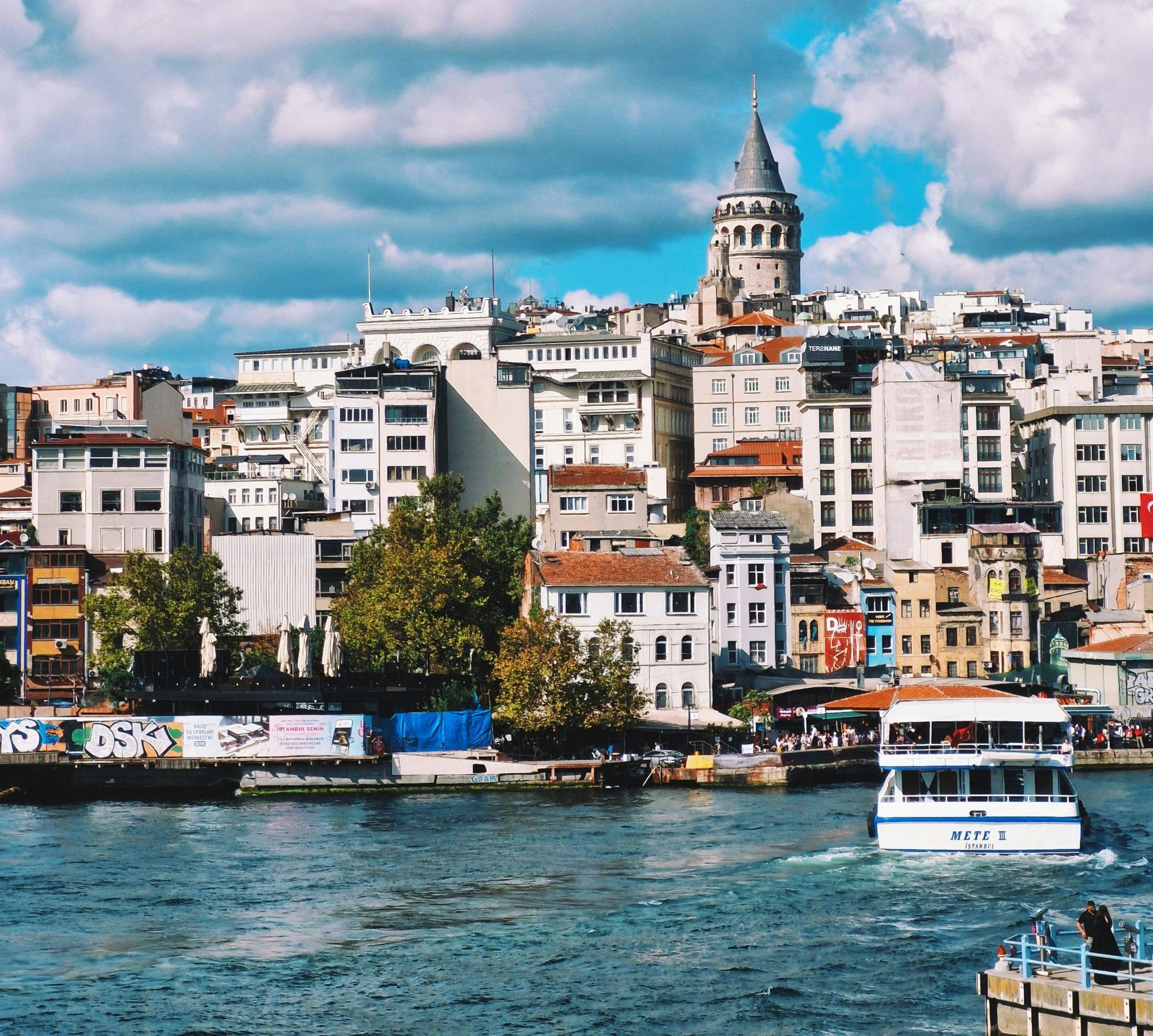
Our journey through the Christian heritage of Turkiye concludes in Istanbul, formerly Constantinople, where the Roman Empire was reborn as the Byzantine Empire. In 2026, Istanbul is a whirlwind of energy, but for the pilgrim, it is a city of echoes. This was the seat of the Ecumenical Patriarchate, the place where the Nicene Creed was finalized, and the home of the most magnificent structure in Christendom for over a thousand years. Moving from the quiet, rock-cut chapels of Cappadocia to the imperial grandeur of Istanbul is a shift that takes your breath away.
At Puerto Travel, we know that Istanbul can be overwhelming. The scale of the city and the density of its history require a specialized approach. Our storyteller guides help you navigate the noise of the modern city to find the profound Christian legacy that still lives in its walls, its domes, and its hidden corners.
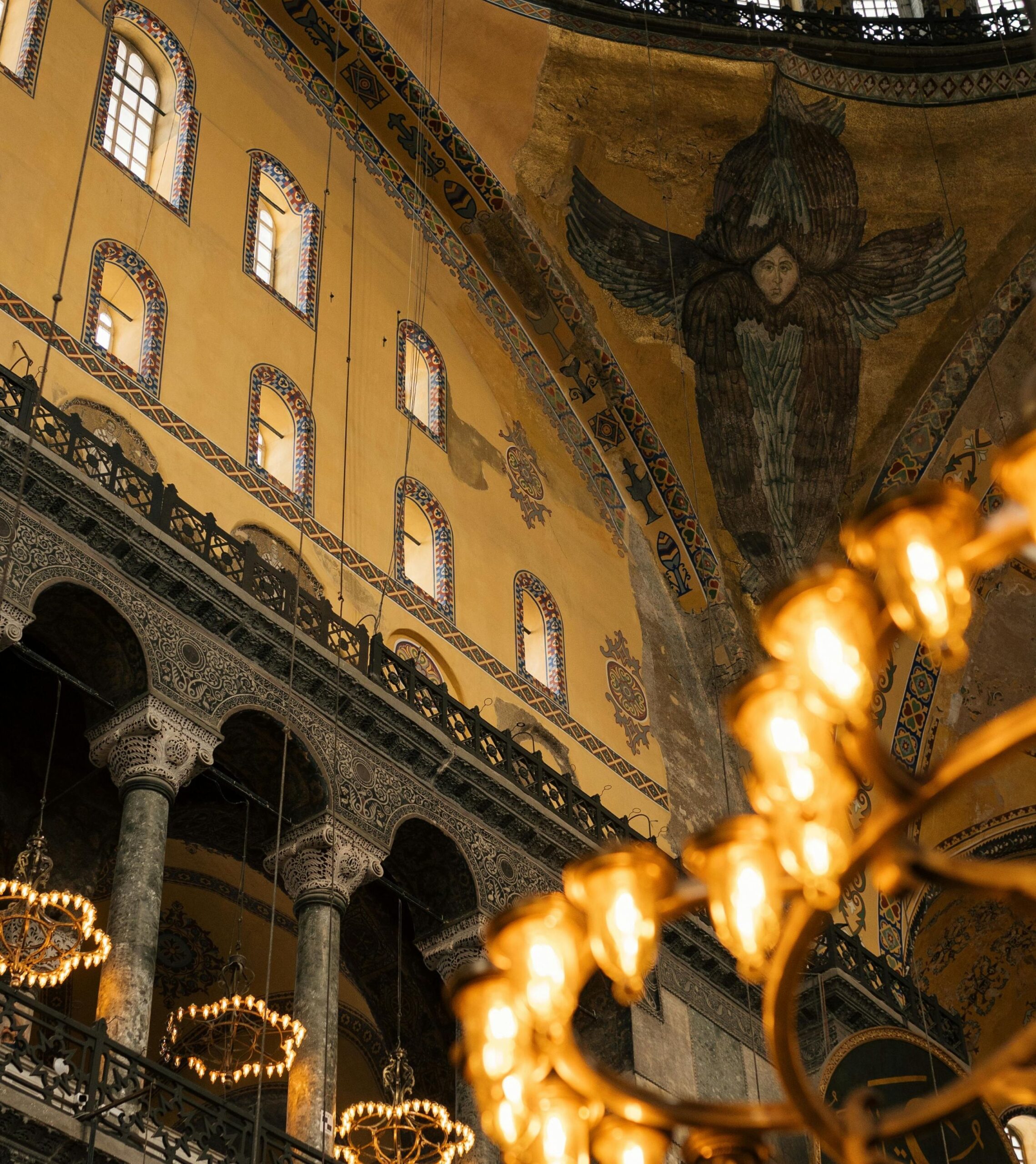
The undisputed crown jewel of this legacy is the Hagia Sophia. Built by Emperor Justinian in the 6th century, it was the largest cathedral in the world for nearly a millennium. To walk through its massive bronze doors is to enter a space that defies the laws of physics. Looking up at the dome, which seems to float on a circle of light, you understand why Justinian famously cried out, “Solomon, I have surpassed thee!” * The 2026 Reality: In recent years, the status of the Hagia Sophia has changed, but its spiritual power remains intact. Navigating the entry as a visitor in 2026 requires a “no-nonsense” strategy. Lines can stretch for blocks, but with our Skip-the-Line coordination and expert timing, we ensure you spend your time admiring the 9th-century mosaics of the Virgin Mary and the Seraphim angels rather than standing on the hot pavement. Our guides will tell you the stories of the emperors who were crowned here and the theologians who debated the nature of the divine beneath this very dome.
A short drive away in our private Mercedes Vitos—which offer a much-needed sanctuary from Istanbul’s legendary traffic—lies the Chora Church (Kariye). If the Hagia Sophia is about scale, Chora is about detail. It houses what many consider to be the finest Byzantine mosaics and frescoes in existence. These aren’t just decorations; they are the “visual Bible” of the 14th century. Our guides will walk you through the Anastasis (the Resurrection) fresco in the side chapel, explaining how this single piece of art influenced centuries of Christian iconography. In 2026, following extensive restorations, the colors of these mosaics are breathtakingly vivid, looking as though the gold leaf was applied only yesterday.
Beyond the museums and monuments, Istanbul is also home to the Ecumenical Patriarchate of Constantinople in the Fener district. This is the “First Among Equals” of the Orthodox world. Visiting the Church of St. George at the Patriarchate is a moving experience; it houses relics of St. Gregory the Theologian and St. John Chrysostom, along with a piece of the Column of Flagellation. It is a living, breathing center of faith that connects 2026 directly back to the age of the Apostles.
Navigating Istanbul’s Christian sites requires more than just a map; it requires a plan. Between the strict security at the Hagia Sophia and the narrow, winding streets of the Fener and Balat districts, the logistics can be a headache for “DIY” travelers. This is where Puerto Travel makes the difference. We manage the transitions so smoothly you won’t even notice the chaos outside your window.
And, as your journey comes to an end, we ensure your departure is as seamless as your arrival. Just as we sent you that personalized video guide to find our Meeting Point at the airport when you first landed, we handle your return with the same professional care. Our English-speaking drivers ensure you reach the airport on time, allowing you to spend your final hours in the city reflecting on the journey from the Aegean to the Anatolian plateau, rather than worrying about flight schedules.
A Journey That Stays With You Long After You Leave
At the end of the day, a pilgrimage through the Christian heritage of Turkiye isn’t just about checking historical sites off a list or filling your camera roll with ancient arches. It’s about those quiet, unexpected moments where the distance between 2026 and the 1st century suddenly vanishes. It’s the feeling of the cool air inside a Cappadocia cave church while the midday sun blazes outside, or the silence that hangs in the air at the House of the Virgin Mary, regardless of how many people are standing nearby. These are the moments that stick with you, the ones that turn a “vacation” into a milestone.
But let’s be practical: those moments are hard to find if you’re stressed out. If you’re busy haggling with a taxi driver in Istanbul, or trying to figure out why the road to a Seven Churches site is closed, or standing in a two-hour ticket line in the Aegean heat, you aren’t really there. You’re just managing a crisis.
This is exactly why we do what we do at Puerto Travel. We believe that the most respectful way to experience these sacred spaces is to remove the “noise” of travel. When you step out of a crowded historic site and into one of our new, climate-controlled Mercedes Vitos, it’s not just about luxury; it’s about giving your mind a chance to process what you’ve just seen. Our storyteller guides aren’t there to lecture you—they are there to bridge the gap between the ruins and the reality of the people who once called them home.
In 2026, Turkiye is busier than ever. The logistics are more complex, the regulations are stricter, and the crowds are larger. But the history? The history is still as profound as it was two thousand years ago. Whether it’s through the personalized video guides we send to help you navigate the airport or our Skip-the-Line access at the Hagia Sophia, every “no-nonsense” detail we handle is designed for one purpose: to give you the freedom to be a pilgrim, not just a passenger.
Anatolia has been a sanctuary for seekers, travelers, and believers for millennia. As you head home—perhaps with a small cross carved from Cappadocia stone or just a mind full of St. Paul’s letters—you realize that you haven’t just visited the past. You’ve seen how that past is still very much alive in the hospitality, the culture, and the enduring stones of this land.
Are you ready to walk the paths where history was written? Reach out to us at Puerto Travel, and let’s start planning your 2026 journey through the second Holy Land.