Planning your first trip to Turkey can feel surprisingly difficult.
The problem is not finding things to do. The problem is choosing between too many good options.
You could spend your morning inside an Ottoman palace, walk through a Roman city in the afternoon, wake up beside the fairy chimneys of Cappadocia, swim along the Mediterranean coast, or stand beside an archaeological site that changed what we know about early human history.
Turkey is not a destination that fits neatly into one type of holiday.
It is part city break, part archaeological journey, part food trip, part coastal escape, and part road adventure.
So where should you begin?
Here are our top 10 things to do in Turkey, especially if you are visiting for the first time and want a trip that shows you more than one side of the country.
1. Explore Istanbul’s Historic Peninsula
For most international visitors, Istanbul is the natural starting point.
The Historic Peninsula brings together several layers of the city within a relatively compact area. You can visit Hagia Sophia, see the Blue Mosque, walk through the courtyards of Topkapi Palace, descend into the Basilica Cistern, and lose track of time in the Grand Bazaar.
But Istanbul should not be treated as a simple checklist.
Leave some time to walk.
The streets between Sultanahmet, Eminonu, and the Spice Market reveal just as much about the city as the major monuments. You will pass tea shops, bakeries, old hans, busy ferry docks, neighbourhood mosques, and restaurants serving food from different parts of Turkey.
Two full days will introduce you to the essentials. Three or four days will let you explore at a more enjoyable pace.
If this is your first visit, we would not recommend landing in Istanbul and flying elsewhere the following morning. The city deserves more than one rushed day.
2. See Istanbul from the Bosphorus
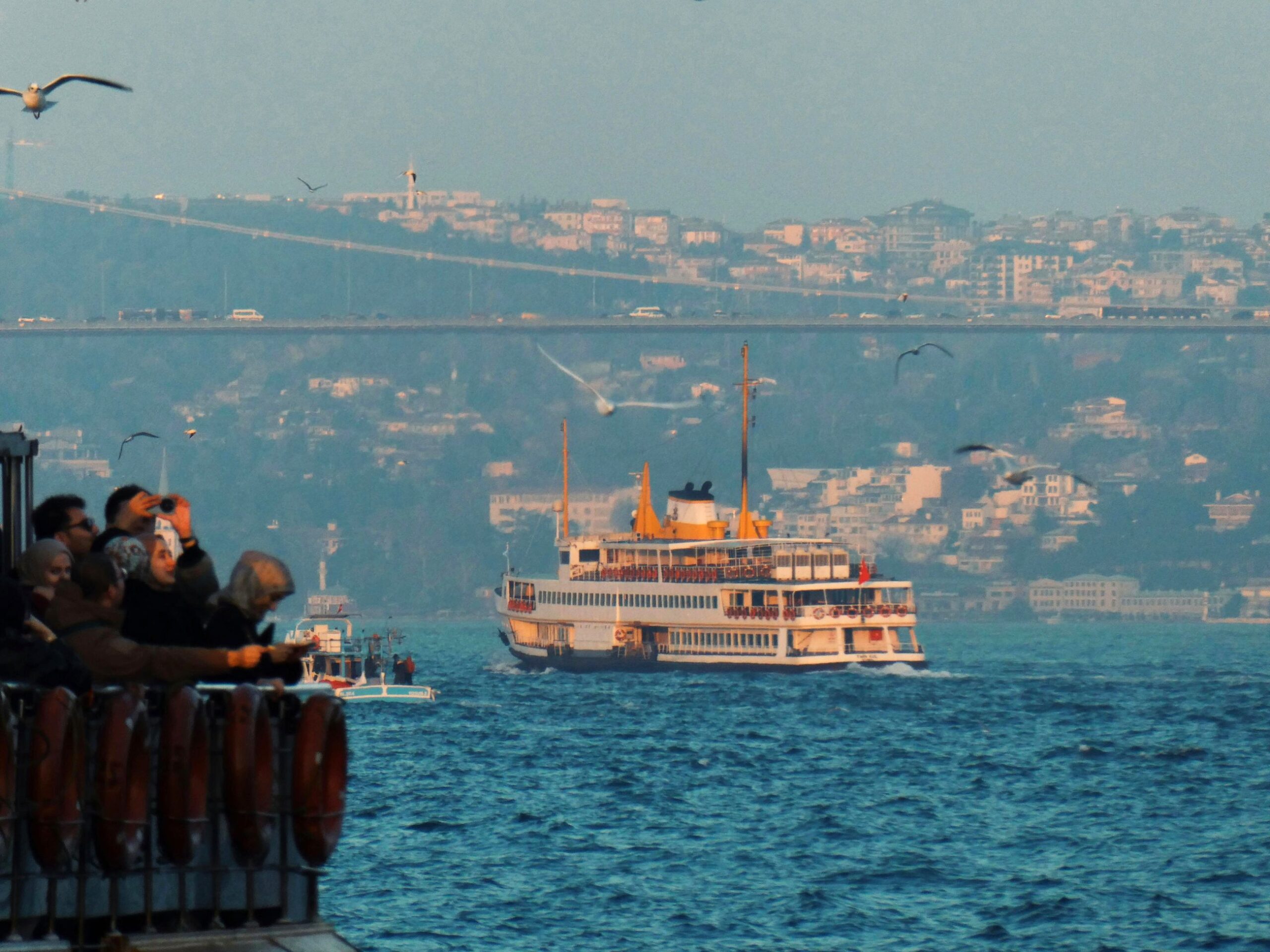
Istanbul changes when you see it from the water.
A Bosphorus cruise gives you a clearer sense of the city’s geography. Europe lies on one side, Asia on the other, while palaces, wooden mansions, neighbourhoods, mosques, bridges, and fortresses appear along the shoreline.
You do not necessarily need an elaborate dinner cruise to enjoy the experience.
A daytime cruise is often better for seeing the architecture and understanding the route. A sunset cruise offers a softer atmosphere and beautiful views as the city lights begin to appear.
The Bosphorus is not simply a scenic background. It has shaped Istanbul’s trade, defence, neighbourhoods, and daily life for centuries.
Even if you only have two days in the city, we would try to include some time on the water.
3. Experience Cappadocia from Above and Below
Cappadocia is usually introduced through photographs of hot air balloons.
The balloon flight is memorable, but Cappadocia is much more than the view from the sky.
The region has valleys, rock-cut churches, cave settlements, fairy chimneys, underground cities, old villages, and landscapes that change colour throughout the day.
A good Cappadocia visit should include both the famous viewpoints and the places hidden below the surface.
You might spend one day exploring northern Cappadocia, with places such as Goreme Open-Air Museum, Pasabag, Avanos, and panoramic viewpoints. Another day can take you toward an underground city, Ihlara Valley, or the southern part of the region.
The balloon flight is optional and always dependent on weather conditions. If it is important to you, stay for at least two nights. That gives you a better chance of flying if the first morning is cancelled.
Even without a balloon flight, Cappadocia is worth visiting.
The landscape, local history, cave architecture, and atmosphere are strong enough to carry the experience on their own.
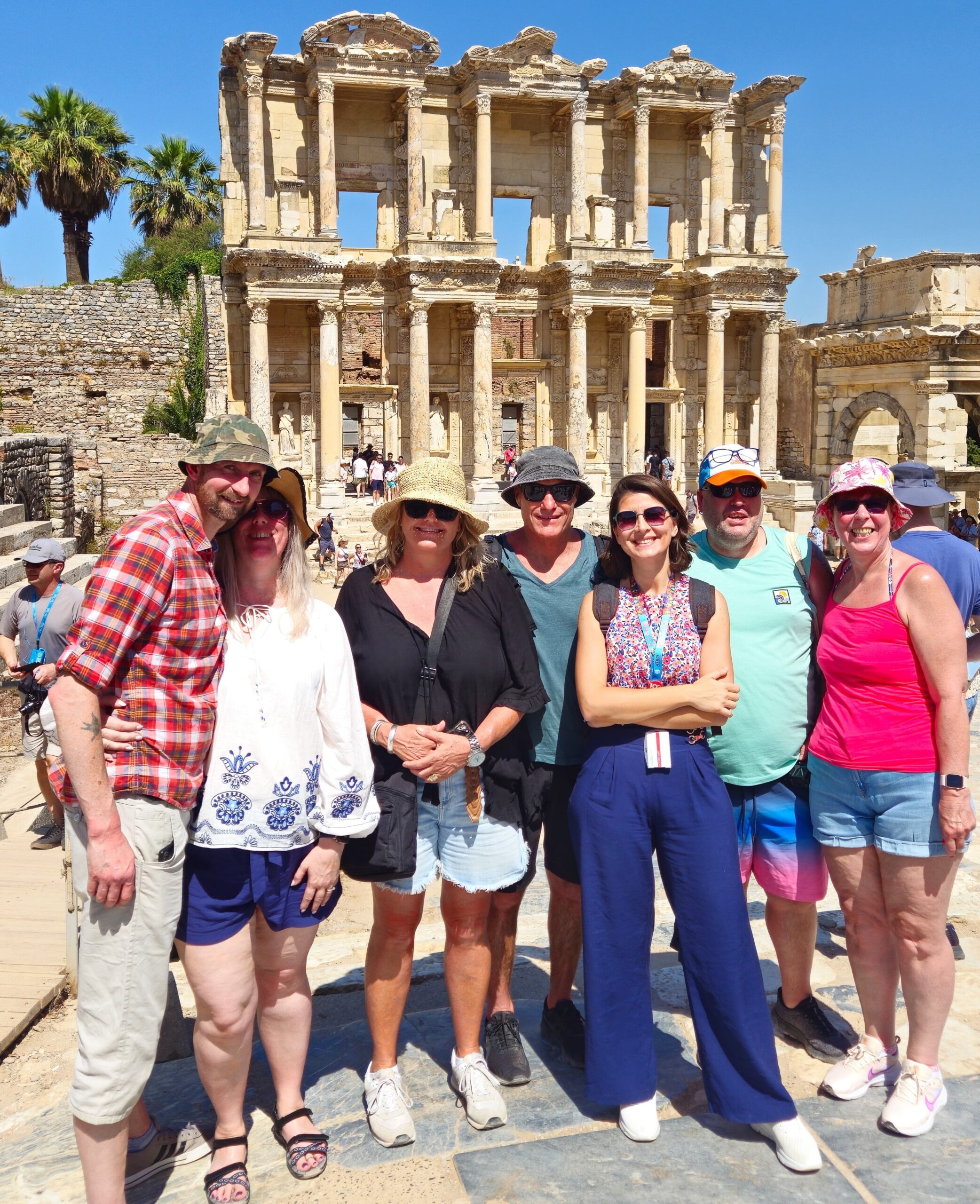
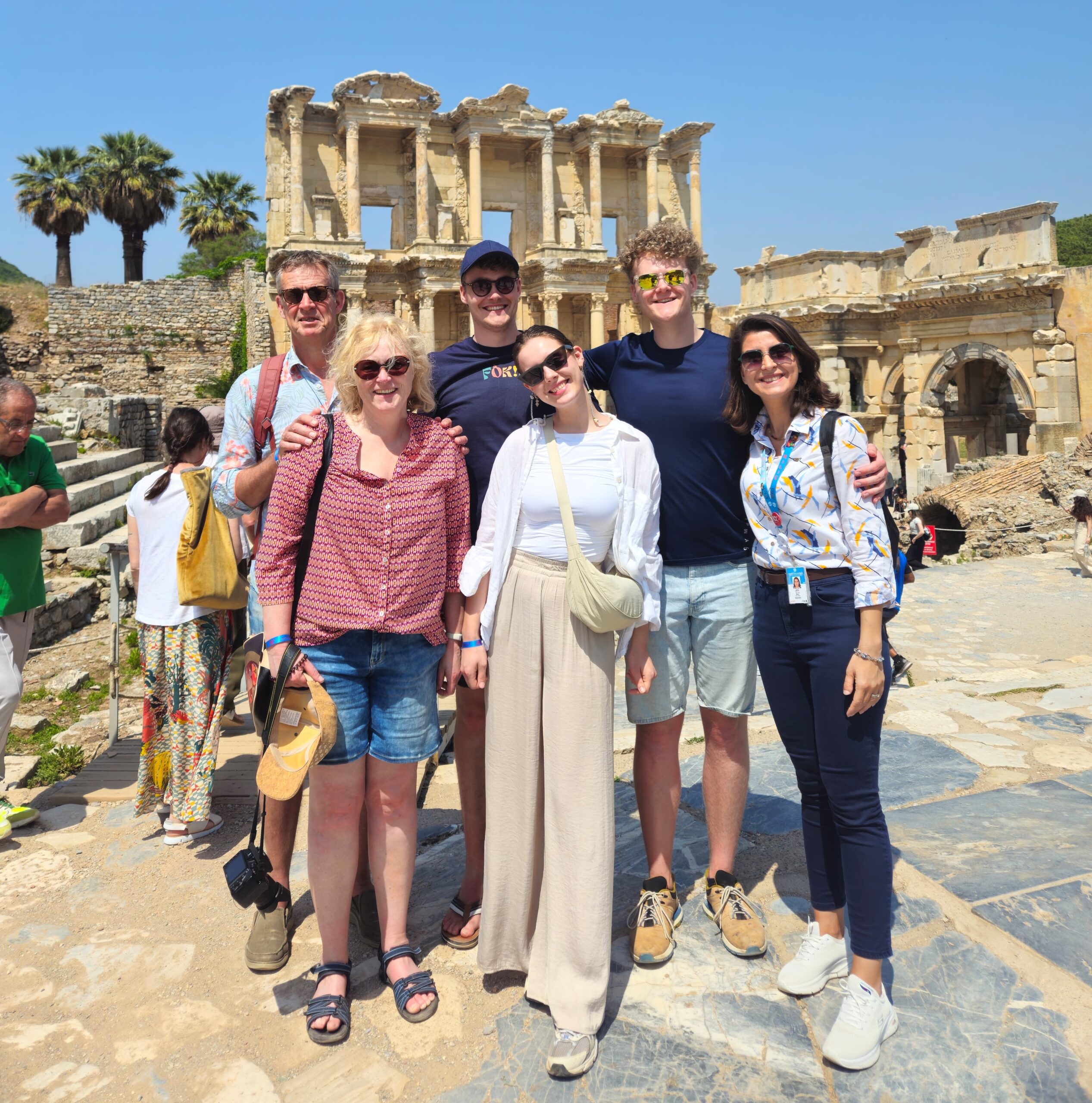
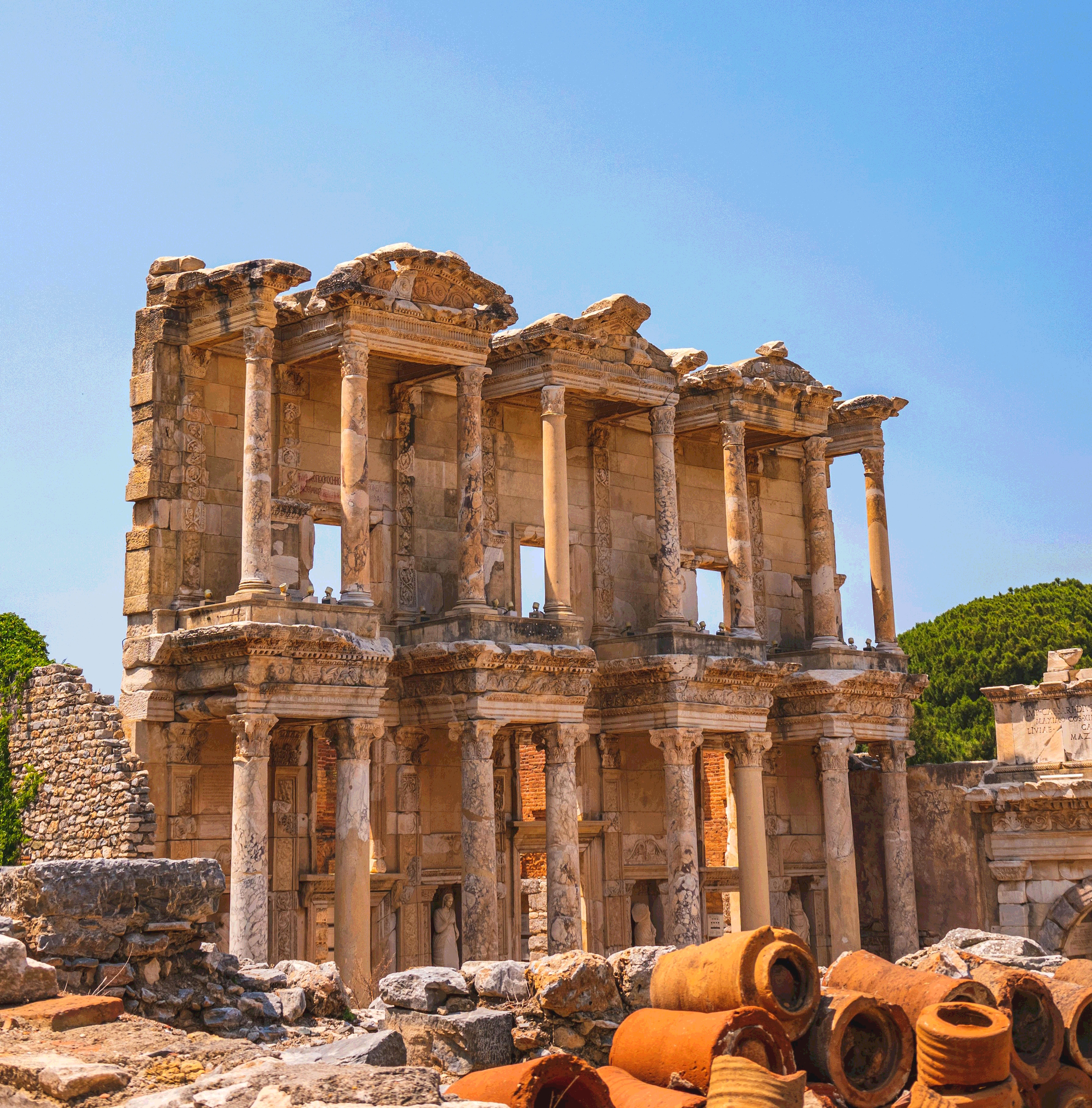
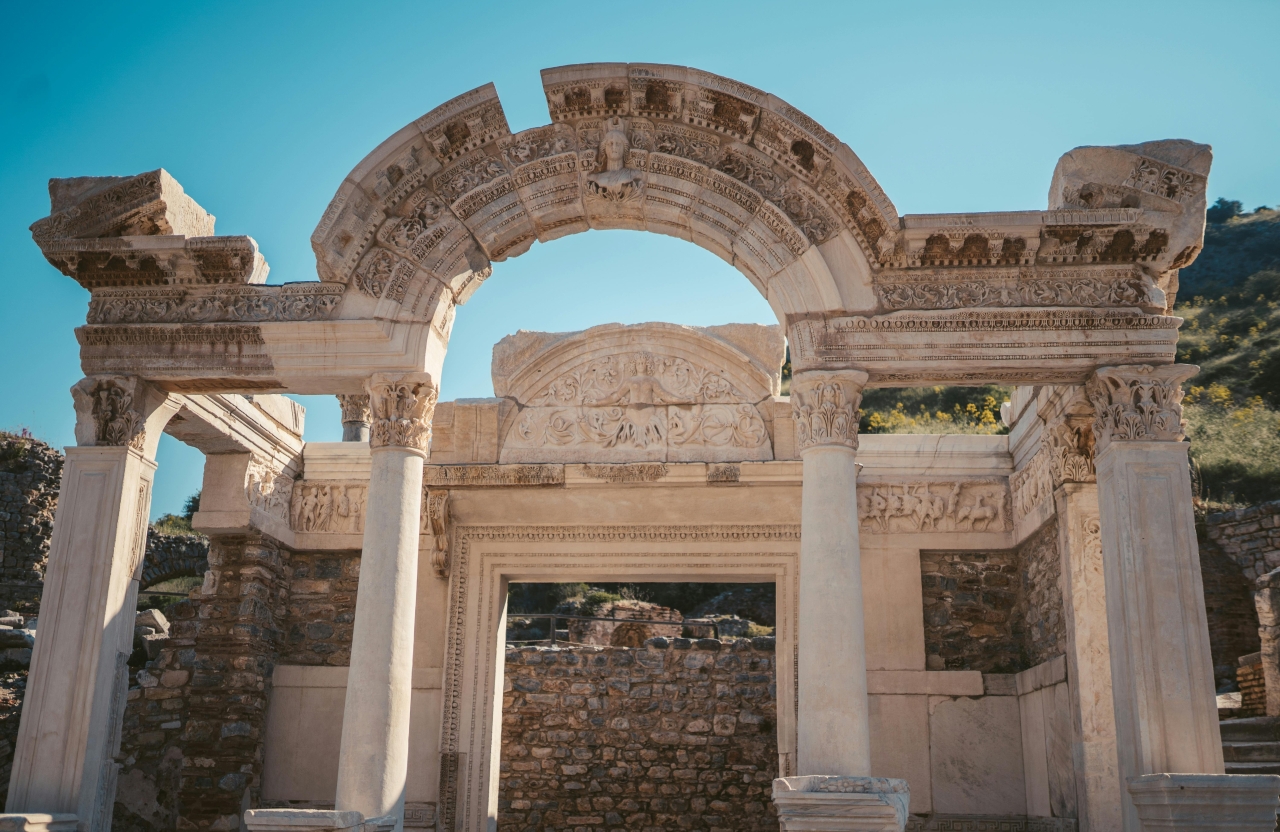
4. Walk Through the Ancient City of Ephesus
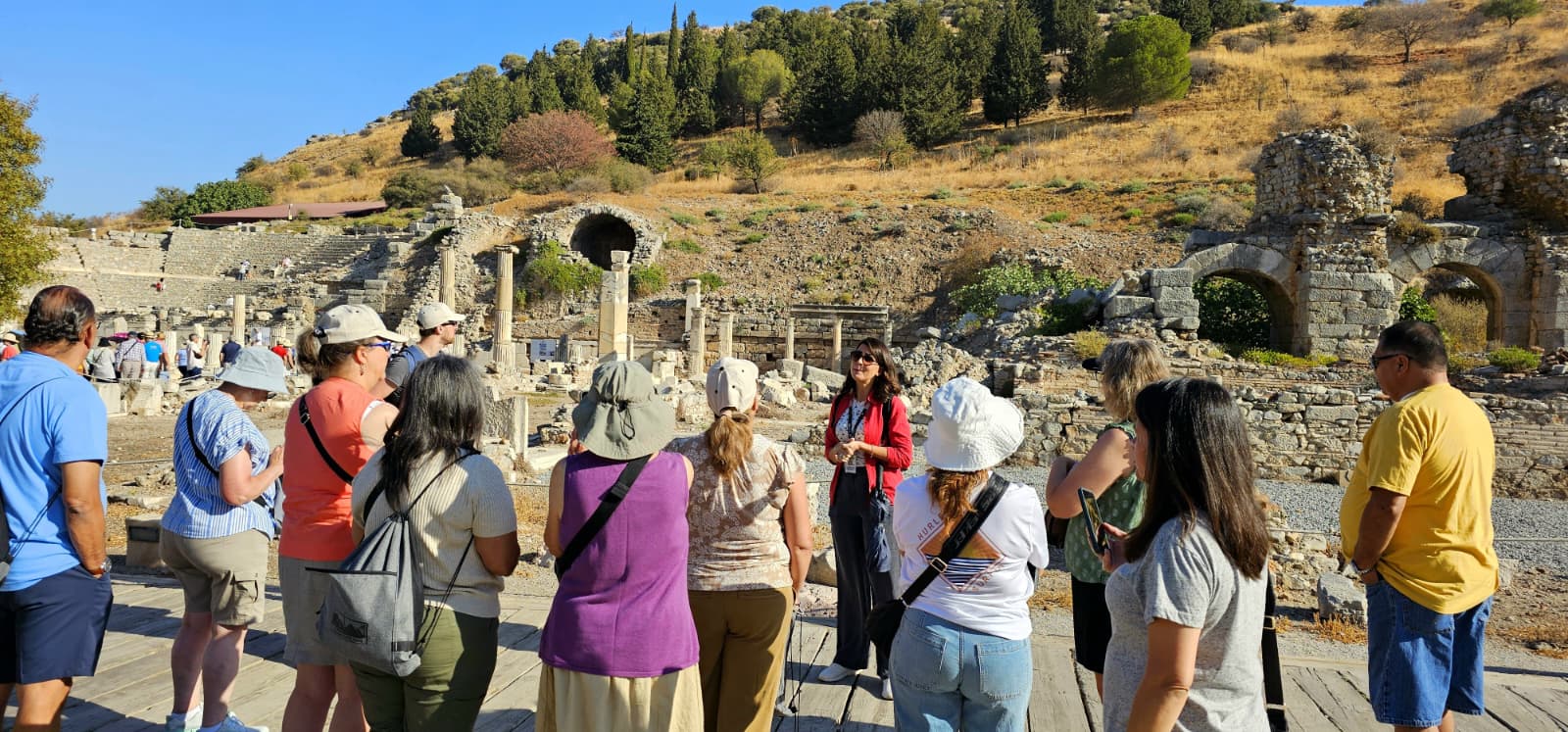
Ephesus is one of the places where a guide makes a real difference.
At first glance, the Library of Celsus and the Grand Theater may receive most of the attention. But the ancient city becomes more interesting when you begin to understand how people actually lived there.
You walk along marble streets past fountains, temples, public baths, shops, administrative buildings, and surprisingly detailed remains of Roman daily life.
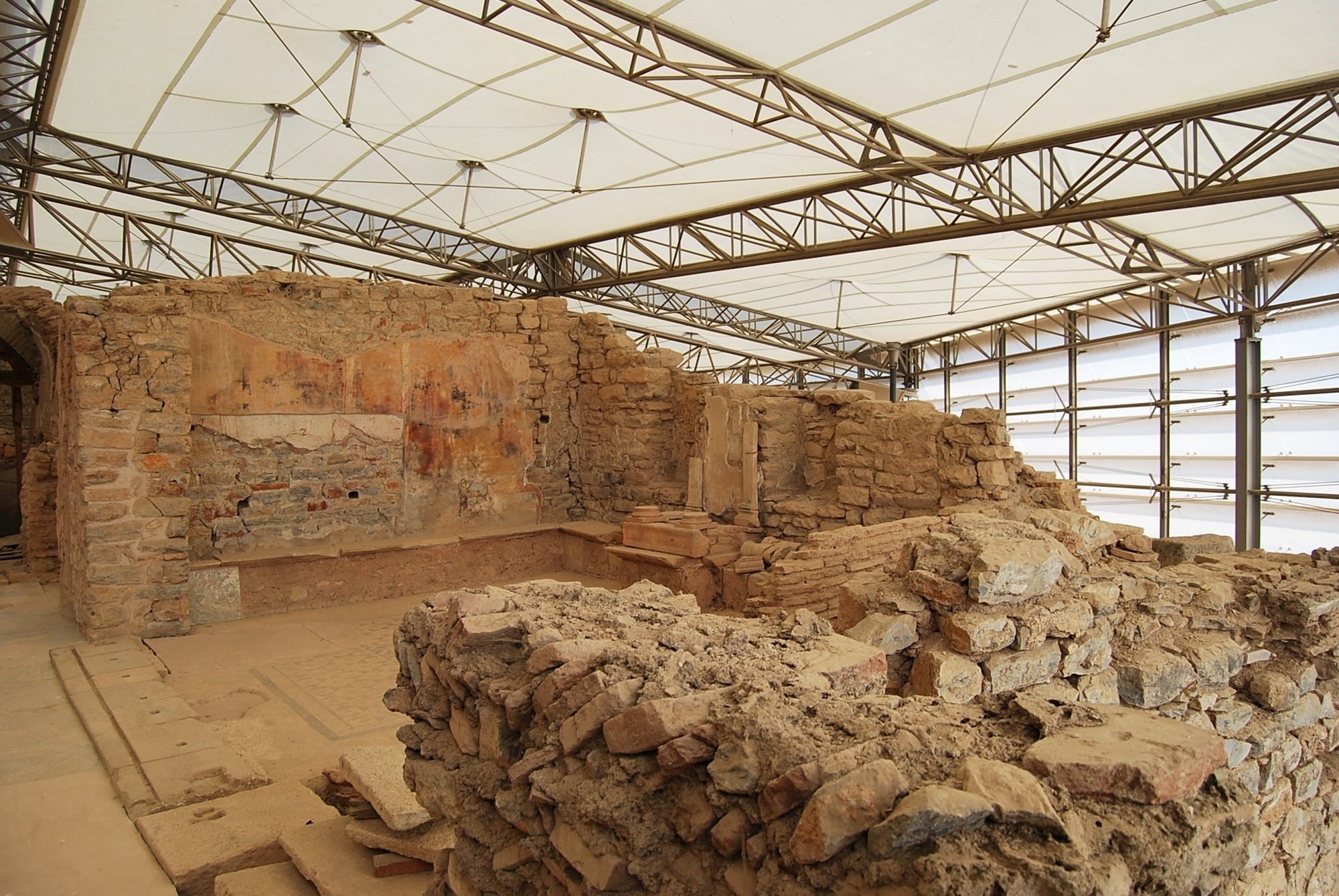
The Terrace Houses reveal the homes of wealthy residents, with mosaics, wall paintings, stairways, and domestic spaces preserved beneath a protective structure.
Ephesus is also important for Christian history. The city is associated with St. Paul, St. John, and one of the Seven Churches of Revelation. The House of the Virgin Mary and the Basilica of St. John are located nearby and can be added to a private tour.
Cruise passengers can reach Ephesus easily from Kusadasi Port. The drive usually takes less than an hour, making it one of the most practical shore excursions in Turkey.
Do not rush it.
A quick walk will show you the famous monuments. A well-guided visit will help you understand why Ephesus mattered.
5. Visit Pamukkale and the Ancient City of Hierapolis
Pamukkale is famous for its white travertine terraces, but the photographs do not tell the whole story.
The terraces were formed by mineral-rich thermal waters flowing down the hillside. Visitors can walk in designated areas, although access and water levels may vary depending on site management and preservation needs.
Above the terraces stands Hierapolis, an ancient spa city with a theater, baths, streets, gates, religious buildings, and a large necropolis.
This combination of natural landscape and ancient history is what makes Pamukkale special.
Many visitors make the mistake of arriving only for a photograph of the white terraces. Give yourself enough time to see Hierapolis as well.
Pamukkale can be visited from Kusadasi, Selcuk, Izmir, Antalya, or Denizli. However, some of these routes involve a long day on the road.
If you plan to combine Ephesus and Pamukkale, two days will usually provide a much better experience. Seeing both in one day is possible, but even the simplified program is intensive and requires an early start.
6. Take a Turkish Food Journey
Eating in Turkey is not one single experience.
The food changes noticeably from region to region.
In Istanbul, you can begin with a traditional breakfast, eat fish near the Bosphorus, try street food around Eminonu, or explore restaurants serving dishes from southeastern Anatolia, the Black Sea, and the Aegean.
Along the Aegean coast, meals often feature olive oil, herbs, vegetables, seafood, and lighter flavours.
In central Anatolia, you will find different forms of bread, meat dishes, soups, pastries, and local specialities.
Southeastern Turkey brings stronger spices, kebabs, pistachios, baklava, stuffed vegetables, and dishes shaped by centuries of regional exchange.
Do not limit the trip to kebab and Turkish delight.
Try a local breakfast. Order meze. Visit a neighbourhood market. Drink Turkish coffee. Taste regional soups. Ask what is in season.
Some of the best meals will not be the most expensive ones. They will be the places where the kitchen is cooking the food of its own region.
7. Spend Time on the Mediterranean or Aegean Coast
Turkey’s archaeological route can become intense.
After several days of cities, flights, ruins, and early departures, a few days by the sea can completely change the rhythm of the trip.
Antalya, Fethiye, Kas, Kalkan, Bodrum, Marmaris, and the surrounding coastal regions offer different versions of the Turkish seaside.
Some travellers prefer a resort stay. Others choose a small harbour town, a boat trip, a Blue Cruise, or a route combining beaches with ancient cities.
The coast is not separate from Turkey’s history.
You can swim in the morning and visit Lycian, Greek, Roman, or Byzantine remains later the same day. Places such as Patara, Xanthos, Phaselis, Olympos, Perge, and Aspendos make it possible to combine the sea with archaeology.
If your trip lasts ten days or longer, adding two or three slower coastal days can make the whole itinerary more enjoyable.
Not every day needs to be another transfer and another museum.
8. Discover Antalya Beyond the Beaches
Antalya is often presented only as a resort destination. That is only part of the story.
The old town of Kaleici has narrow streets, Ottoman houses, Roman remains, a historic harbour, shops, restaurants, and small hotels. It is easy to explore on foot and makes a pleasant base for a few nights.
Outside the city, Perge and Aspendos are among the most rewarding ancient sites in the region.
Perge preserves a stadium, theater, baths, gates, streets, and large sections of an important ancient city.
Aspendos is best known for its Roman theater, which remains one of the most striking structures of its kind in Turkey.
You can also visit waterfalls, coastal viewpoints, or continue toward Side and other archaeological sites.Antalya works well for travellers who want history without giving up the sea.
It can also connect naturally with Pamukkale, although the day trip is long and should be planned realistically.
9. Go Beyond the Classic Route to Gobeklitepe and Mount Nemrut
Many first-time itineraries follow the same route:
Istanbul, Cappadocia, Pamukkale, and Ephesus. It is a strong route, and there is nothing wrong with it. But Turkey does not end there.
Southeastern and eastern Anatolia offer a very different journey.
Gobeklitepe, near Sanliurfa, has transformed discussions about early monumental architecture and prehistoric communities. The wider region also includes Karahantepe, the old city of Sanliurfa, Harran, local museums, markets, and a distinctive food culture.
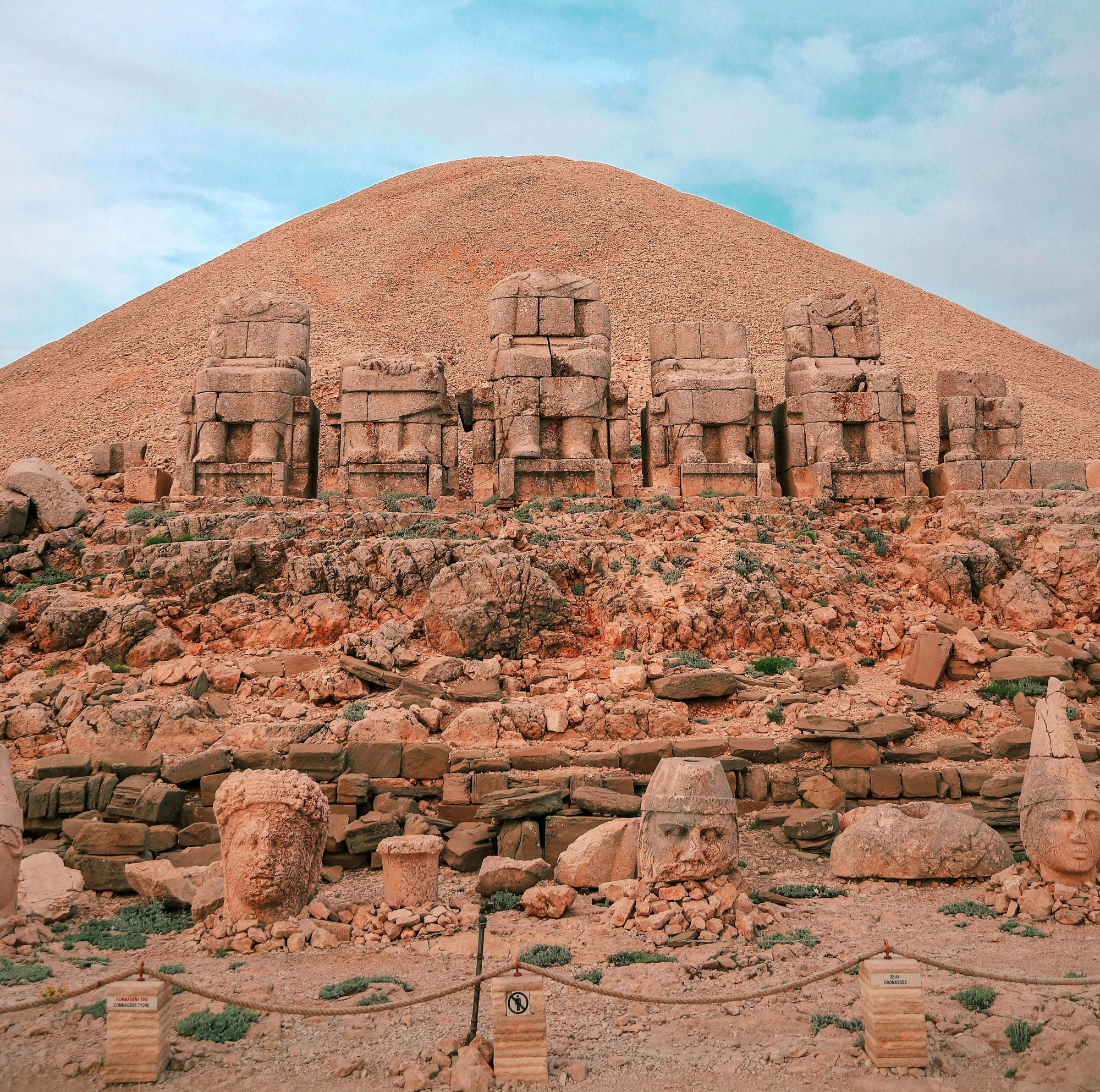
Further north, Mount Nemrut is known for the monumental statues and sanctuary created for King Antiochus I of Commagene.
The journey can continue toward Gaziantep and the Zeugma Mosaic Museum, Mardin’s stone architecture, or the landscapes and historical sites of eastern Turkey.
This route requires more time and planning than the classic western itinerary. It is not something we would squeeze into a seven-day first visit.
But for archaeology lovers, repeat visitors, or travellers with two weeks or more, it may become the most memorable part of the journey.
10. Experience a Turkish Hammam
A Turkish bath can be relaxing, confusing, luxurious, traditional, touristy, or deeply local depending on where you go. That is why choosing the right hammam matters.
Historic hammams in Istanbul often offer beautiful architecture and a polished visitor experience. Local neighbourhood baths may feel simpler and more traditional. Resort spas provide a gentler introduction for travellers who prefer privacy and modern facilities.
A typical hammam experience may include time in a heated room, washing, scrubbing, foam massage, and rest afterward. Services vary, so check what is included before booking.
The experience is not for everyone. You should ask about privacy arrangements, clothing, male and female sections, and any health concerns before visiting.
But for many travellers, a hammam is one of the few activities that connects directly with a tradition of public bathing that has shaped urban life for centuries.
Try it after several days of walking through Istanbul or ancient cities. Your legs may appreciate it more than you expect.
How Many of These Can You Fit into One Trip?
That depends on how much time you have. For a first trip of seven days, a realistic plan might combine:
Istanbul
Cappadocia
Ephesus or Pamukkale
Trying to include all four major destinations in one week is possible, but the schedule becomes busy and usually requires domestic flights.
With ten days, you can create a more balanced route:
Istanbul
Cappadocia
Ephesus
Pamukkale
A short coastal stay or Antalya
With two weeks, you have more freedom to add the Mediterranean coast, Gallipoli and Troy, or southeastern Turkey.
The biggest planning mistake is not choosing the wrong destination.
It is trying to include every destination.
Turkey is large. Distances that look small on a map can require long drives, airport transfers, and domestic flights. A good itinerary considers not only what you can technically fit in, but also how the journey will feel.
Which Experiences Are Best for First-Time Visitors?
For most first-time visitors, we would prioritize four experiences:
Istanbul for the history and city life
Cappadocia for the landscape
Ephesus for archaeology
Pamukkale and Hierapolis for the combination of nature and history
These destinations form the classic Turkey route for a reason.
After that, your choice should depend on your interests.
Choose Antalya or the Aegean coast if you want sea and relaxation.
Choose the Seven Churches route if Biblical history is central to your journey.
Choose Gobeklitepe, Nemrut, Gaziantep, or Mardin if archaeology and lesser-visited regions matter more to you than beaches.
Choose a Blue Cruise if you want the trip to slow down.
There is no single perfect Turkey itinerary.
There is only the route that suits your time, pace, and interests.
Plan the Trip Around Your Time, Not Just Your Wish List
The top things to do in Turkey are spread across a large country.
That is part of what makes the destination so rewarding, but it also makes planning important.
A route that looks exciting on paper can become exhausting when every day includes an airport, a long drive, a hotel change, and several major sites.
At Puerto Travel, we arrange private and small group tours throughout Turkey. Our small groups are limited to a maximum of 12 guests, while private tours offer more flexibility in timing, pace, guiding style, and itinerary.
We can combine Istanbul, Cappadocia, Ephesus, Pamukkale, Antalya, the Seven Churches of Revelation, Gobeklitepe, Mount Nemrut, and other regions into a route that works in real life.
Tell our tour planners how many days you have, where you are flying from, the places that matter most to you, and how active you want the journey to be.